Travel, Exploring the Sardine Run, South Africa's Epic Migration
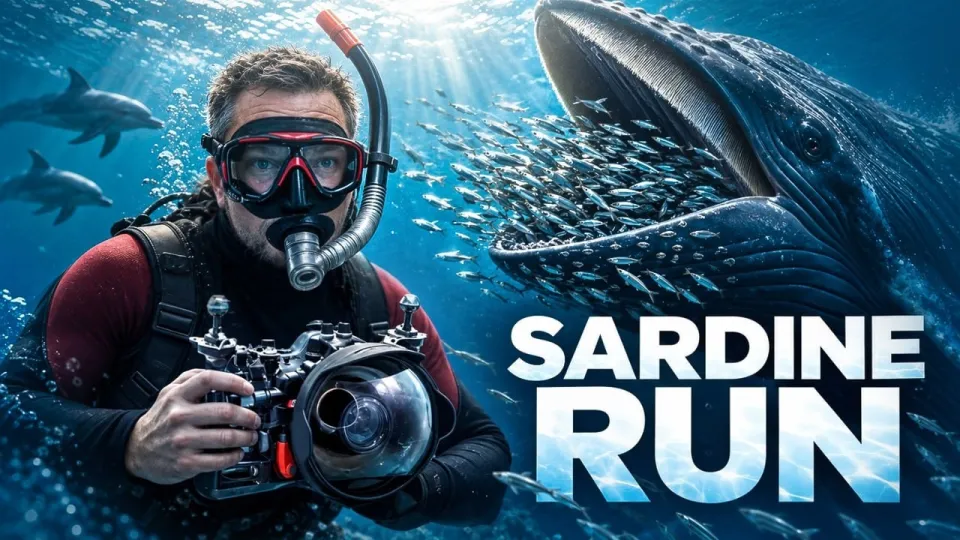
Video: I Spent a Week Chasing the Sardine Run in South Africa
· based on the channel ZAVID OFF
Key takeaways
- The Sardine Run is the largest marine migration event on Earth.
- Occurs along South Africa's Wild Coast, especially near Mbotyi.
- Involves millions of sardines, dolphins, whales, sharks, and seabirds.
- Best experienced with SEAL Expeditions and Mbotyi River Lodge.
- The event features dramatic bait balls and close wildlife encounters.
What is the Sardine Run and Why Travel There?
The Sardine Run is a spectacular annual migration where millions of sardines travel along South Africa's coast, attracting a massive congregation of marine predators including dolphins, whales, sharks, and seabirds. Traveling to witness the Sardine Run offers an unparalleled wildlife experience, showcasing one of the ocean's greatest feeding frenzies.
Where to Experience the Sardine Run
South Africa's Wild Coast, particularly around the small town of Mbotyi, is regarded as the prime location to observe the Sardine Run. Mbotyi provides access to pristine beaches and the Indian Ocean where the migration unfolds. The journey typically starts from Johannesburg or Durban, followed by a drive to Mbotyi.
How to Plan Your Sardine Run Adventure
- Travel Logistics: Fly into Johannesburg or Durban, then arrange ground transport to Mbotyi.
- Accommodation: Stay at the Mbotyi River Lodge, operated in partnership with SEAL Expeditions, offering comfortable lodging and direct access to the coast.
- Expedition Preparation: Gear up for early mornings with surf launches on boats that take you offshore to find the sardines.
- Guided Tours: Join guided expeditions that include spotter flights and expert crews to locate sardine bait balls.
What to Expect During the Sardine Run
The event is marked by massive bait balls formed by sardines trying to evade predators. Dolphins expertly herd sardines into tight formations, while seabirds dive like arrows from the sky. Sharks and Bryde's whales join the feeding frenzy, creating intense wildlife action. Swimming alongside a Bryde's whale is an extraordinary experience reported by visitors.
Additional Experiences and Wild Coast Attractions
Beyond the Sardine Run, visitors can enjoy microlight flights over dramatic canyons and waterfalls such as Magwa Falls, sunset hikes with ocean views, and cultural experiences including South African braais (barbecues) and traditional borscht. Evenings at the lodge bar foster camaraderie among travelers.
Who Should Travel to the Sardine Run?
This adventure suits wildlife enthusiasts, divers, snorkelers, and photographers eager to witness one of nature's most dynamic marine events. It demands a spirit of adventure, tolerance for rough surf launches, and a passion for marine ecosystems.
Conclusion
Traveling to South Africa to see the Sardine Run offers a rare glimpse into one of the largest and most thrilling marine migrations on Earth. The combination of spectacular wildlife, stunning landscapes, and authentic local experiences makes it a bucket-list journey. This guide, inspired by the channel ZAVID OFF, provides practical steps and insights for those dreaming of this unforgettable expedition.
Questions & answers
What is the best time to see the Sardine Run in South Africa?
The Sardine Run typically occurs during the South African winter months, primarily between May and July, when millions of sardines migrate along the coast.
Where is the ideal base for exploring the Sardine Run?
Mbotyi on South Africa's Wild Coast is the best base for Sardine Run excursions, offering direct access to prime viewing spots and accommodations like Mbotyi River Lodge.
What wildlife can I expect to see during the Sardine Run?
Visitors commonly see millions of sardines, pods of dolphins chasing bait balls, Bryde's whales, humpback whales, various shark species, and diving seabirds.
Is swimming with whales safe during the Sardine Run?
Swimming with Bryde's whales during the Sardine Run can be safe when guided by experienced operators; however, it requires caution and respect for wildlife to ensure a responsible encounter.
Source: I Spent a Week Chasing the Sardine Run in South Africa · Markdown version